

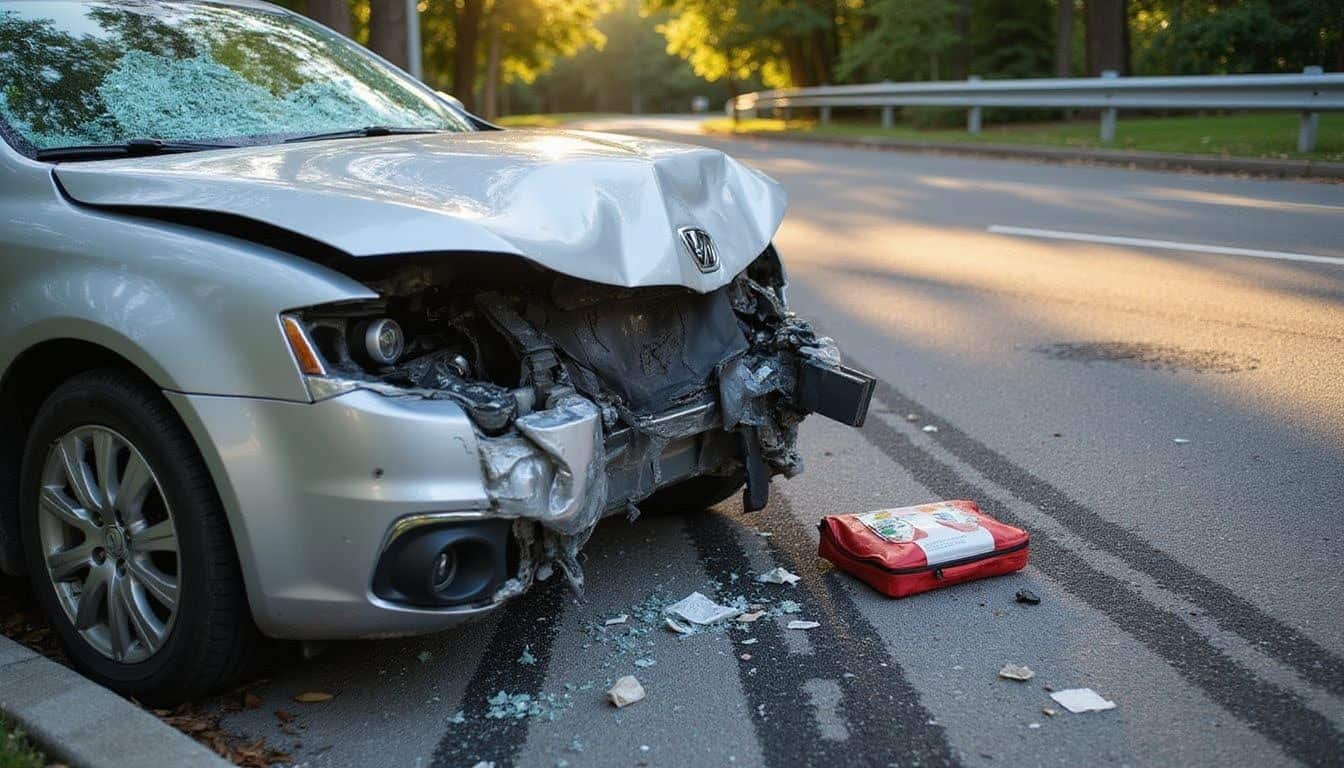
15 Oct What To Do in the First 72 Hours After a Car Accident
Feel fine after a car accident? Good. In the first 72 hours, make sure everyone is safe, call the police, exchange information, take photos, and still get your spine checked. Crash pain often shows up a day or two later, and a quick exam now is the simplest way to catch it before it settles in.
At our office in Broken Arrow, the most common thing we hear from crash patients is some version of “I felt fine at the scene.” A week later, they are stiff, sore, or dealing with headaches, and they wish they had come in sooner. This is the plan we give family and friends for those first three days.
What should I do at the scene of the accident?
Check yourself and your passengers first. Look for bleeding, trouble breathing, confusion, or pain that makes it hard to move. If any of those are present, call 911 and stay put until help arrives.
If everyone is okay and the cars can move, get them out of traffic and turn on your hazard lights. Then call the police, even for a fender bender. An official report can settle a lot of arguments later, and it takes only a few minutes.
While you wait, trade the basics with the other driver: name, phone number, insurance company, policy number, and license plate. Take photos of both cars, the road, any skid marks, and anything that shows what happened. Your phone is your best tool right now.
Stick to the facts when you talk to the officer or the other driver. You don’t need to explain, apologize, or guess what happened. Say what you saw and let the report do the rest.
Why do I feel fine right after a crash?
Adrenaline. When your body senses danger, it floods your system with stress hormones that dull pain and keep you moving. That helps in the moment but can be misleading afterward. Many people drive home, go to work the next day, and only realize something is wrong when they try to turn their head in the shower.
The other reason is how soft tissue works. Muscles, ligaments, and the small joints of the neck and back can get strained in a crash without any bruising on the outside. Swelling in those tissues builds over hours and days, not seconds. So the stiffness that shows up on day two is not a new injury. It is the same injury finally making itself known.
This is why the first 72 hours matter so much. What you do in that window shapes how fast you recover.
When should I get checked after a car accident?
Within those first three days, whether you’re hurt or not. If you have severe pain, numbness, weakness, or a head injury, go to the ER or urgent care first. For everything else, a chiropractic exam is the right first stop, and the sooner the better.
Here is the honest version: most people who come in early need very little care. We find the problem, treat it, and send them on their way. People who wait end up needing more visits because the injury has had weeks to tighten up, and the surrounding muscles have learned to guard it.
We accommodate same-day appointments, so you can call on the way home from the crash if you want. Our goal is to have you treated and on your way within about 20 minutes of your scheduled time.
What happens at a chiropractor after a car accident?
The first visit focuses on figuring out what is actually going on. Dr. Ring will ask how the crash happened, where you were sitting, which way you were facing, and what hurts now. Then he will check how your neck and back move, test your reflexes and strength, and feel for tender or tight areas.
X-rays are taken only if they are needed to see what the exam cannot, such as alignment or a possible fracture. If you do not need them, you will not get them.
After that, you get a straight answer. Sometimes the answer is “you are fine, go home and ice it.” Sometimes it is a short plan of adjustments, soft tissue work, or traction to get things moving again. Either way, you will know what we found, what we recommend, and roughly how long it should take. If you want more detail, see the full list of what we treat after a crash.
What should I keep track of in the first 72 hours?
You do not need a filing system. You need a few things in one place, because memory fades fast after a stressful event.
- The police report number and the officer’s name
- The other driver’s name, insurance company, and policy number
- Photos of the scene, the cars, and any visible injuries
- A short daily note of how you feel: where it hurts, what makes it worse, and whether you slept
- Receipts for anything the crash cost you, including care visits
Call your own insurance company within a day or two and tell them what happened. Your policy will say how soon you have to report it, and the claim goes smoother when your report is fresh. If your policy includes medical payments coverage, ask your agent how it works so you know what is covered before your first visit.
The daily note matters more than people think. Pain that you can describe clearly is pain we can treat more precisely, and it gives you an honest record of whether you are getting better.
What should I avoid doing in the first three days?
Do not tough it out. Waiting to see if it goes away is the most common mistake we see, and it can turn a two-week recovery into a two-month one.
Do not mask it either. Pain medicine has its place, but if you take enough to feel normal and then go lift a toddler or mow the yard, you can make a mild strain worse. Rest the area, use ice for the first day or two, and move gently.
Do not skip the exam because you don’t have insurance or you are worried about cost. We are upfront about pricing before anything happens, and a single exam is a lot cheaper than months of a stiff neck.
And do not let anyone, including a chiropractor, pressure you into a long treatment plan on day one. A good plan starts small and shrinks as you improve. If someone wants you to commit to dozens of visits before they have even examined you, walk out.
Frequently asked questions
Do I need to go to the ER after a minor accident?
Go to the ER for anything that looks serious: heavy bleeding, trouble breathing, loss of consciousness, confusion, chest pain, or numbness in an arm or leg. For soreness, stiffness, and headaches without those warning signs, a chiropractic exam is usually the right first step.
Can I just wait and see if the pain goes away?
You can, but it is a gamble. Mild soreness sometimes fades on its own. Just as often, it settles into a pattern of stiffness and headaches that takes much longer to undo. An early exam tells you which one you are dealing with.
Will my car insurance pay for a chiropractor after an accident?
It depends on your policy. Many auto policies include medical payments coverage that applies to care after a crash. Call your agent, ask what you have, and bring your claim number to your first visit. We will tell you what we can bill and what we cannot before you are treated.
How long will I need to keep coming in?
As long as it takes and not a day longer. Most accident patients need a short run of visits that gets less frequent as they improve. We decrease your visits as you get better, and we tell you plainly when you are done.
In pain after a crash? Get checked today.
If you have been in an accident in Broken Arrow, Tulsa, Coweta, or anywhere nearby, call Eastern Oklahoma Chiropractic at 918-940-4630. Get same-day appointments, a straight answer about what is wrong, and be back on your way in about 20 minutes. If you are fine, we will tell you that too.