

20 Apr Tech Neck Diagnosis: Get an Accurate Assessment in Eastern Oklahoma Chiropractic
Is your neck stiff or sore after long hours on a phone, tablet, or computer? You are not alone. Many people in Broken Arrow feel pain from looking down at screens too much. This kind of discomfort is now called “tech neck.” It can make daily life harder and even stop you from enjoying time with family or friends.
Studies show that tech neck often results from poor posture while using digital devices. This problem affects your cervical spine, muscles, and overall alignment more than most realize.
Our blog will guide you through diagnosing tech neck and help you get an accurate assessment right here in Broken Arrow. Learn what steps to take for relief and better posture…keep reading to find out how to start feeling better!
Diagnosing Tech Neck: Essential Methods
Diagnosing tech neck is key to finding the right help. There are easy ways to assess your condition… from checking posture to physical exams and even imaging tests.
Conduct Physical Examinations
A physical exam checks your neck, shoulders, and back. Your chiropractor looks for tight muscles and pain when you move. This helps spot tech neck problems like poor posture or slouching.
The doctor may gently press on your cervical spine to check where you feel sore or stiff.
Simple tests can detect muscle weakness or numbness. You might be asked to turn your head side to side, look up and down, or raise your arms. These moves help find which parts of the musculoskeletal system are affected by tech habits, such as looking down at screens for too long.
Most people with tech neck do not realize how much their daily screen time affects their posture until after a physical examination, says Dr. Travis Ring.
Physical examinations are crucial for detecting early signs of headaches, nerve problems, and joint strain caused by slouching over devices all day.
A trained chiropractor watches how you stand and sit. He looks for forward head posture, rounded shoulders, and slumped backs. These signs often point to tech neck from too much digital device usage.
Small changes in spinal alignment can cause serious problems, such as musculoskeletal discomfort or neck pain.
Good postural assessment checks if your ears line up with your shoulders and hips. The chiropractor may use simple tests or photos during the checkup. Ergonomics matter a lot here; even small tweaks in how you work at a desk help prevent future issues.
Physiotherapy might follow if they spot bad habits, helping retrain your muscles and support better long-term health.
Perform Imaging Tests: X-rays and MRIs
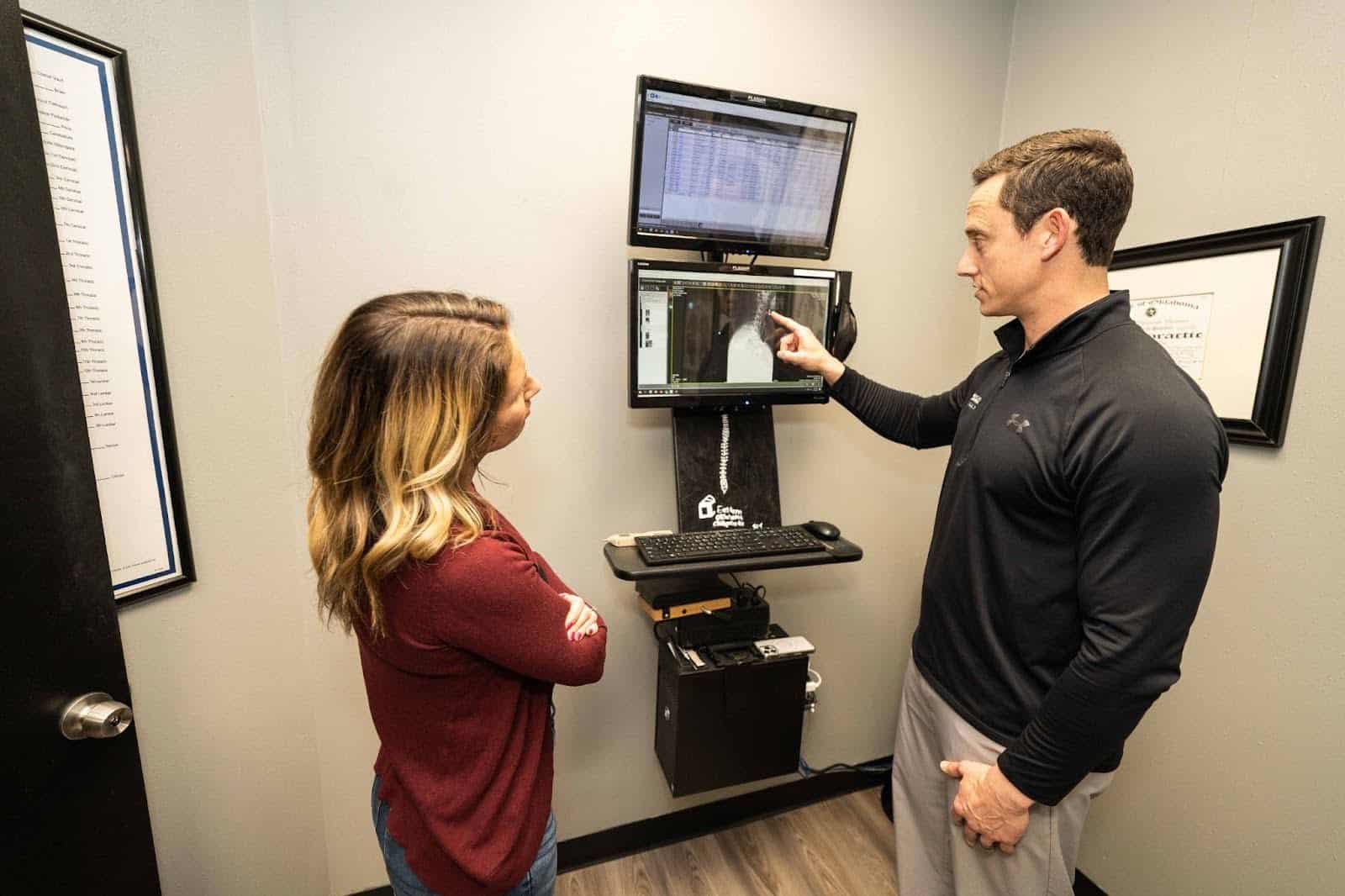
After analyzing posture, the next step is to perform imaging tests such as X-rays and MRIs. These tests help see the bones and tissues in your neck.
- Doctors use X-rays to look at your neck bones. They can find if bones are not right or hurt.
- MRI pictures show more than bone. They let doctors see muscles and other soft parts of your neck.
- Imaging tests can find problems that are not clear from just looking at how you sit or stand.
- Before an MRI, you need to remove metal objects because the machine uses strong magnets.
- The results help doctors plan the best way to help you feel better.
These steps ensure you get a proper checkup for tech neck.
Conclusion
Tech neck is a growing problem for many. You have learned how to diagnose it effectively. Physical exams, posture checks, and imaging tests help you better understand your condition.
These methods are easy to follow and can provide clear answers about neck pain. Consider how these steps apply to your screen time routine. Getting proper care can significantly change your life! If you need further assistance, consider chiropractic care in Broken Arrow.
Taking action today leads to a healthier tomorrow!