

16 Mar Chronic Neck Stiffness: Top Causes And Effective Treatment Options
Does your neck feel stiff or sore most days? You are not alone. Many people struggle with chronic neck stiffness and do not know why it keeps coming back.
One simple truth: poor posture is one of the biggest reasons for ongoing neck pain and tightness. This happens a lot, especially if you spend hours looking down at a phone or computer.
This blog will walk you through the main causes behind chronic neck stiffness. It will also share easy tips to help you find relief at home, explain which treatment options work, and show how small changes can prevent further pain.
Keep reading for clear answers and real solutions!
Common Causes of Chronic Neck Stiffness
Chronic neck stiffness can come from many everyday habits. Poor posture, such as looking down at phones for too long, is a major factor. Another cause is muscle strain from overuse or injury.
Age-related changes in the spine can also play a role.
Poor posture and “tech neck”
Staring down at your phone or computer for long hours strains the neck muscles. Forward head posture, also called “tech neck,” puts extra pressure on the cervical spine. This can cause musculoskeletal pain and reduce neck mobility over time.
Many people notice tension headaches, shoulder soreness, or a stiff upper back after heavy computer use.
Sitting up straight can do wonders for stiffness relief.
Improper ergonomics at your desk make these problems worse. Repetitive strain can develop quickly if you slouch often or keep your screens too low. Simple changes, like raising monitors to eye level and taking short stretch breaks, help ease pain from poor posture and tech habits.
Degenerative conditions like cervical spondylosis
Degenerative conditions like cervical spondylosis cause the neck bones and joints to break down slowly. This leads to degeneration of the cervical spine, which is the neck.
Many adults get this as they age. The discs between each bone become thin, and small bone spurs can form. These changes often bring neck pain, stiffness, and muscle tension.
Arthritis, or osteoarthritis, makes things worse by swelling the joints. Nerve compression may happen if these bone changes press on nearby nerves. People then feel chronic pain or lose flexibility in their necks.
Some people notice discomfort when turning their heads or looking up and down for long periods. These problems build over the years but can be managed with treatment once found early enough.
Muscle strain or overuse
Muscle strain or overuse often leads to chronic neck pain and stiffness. Long hours at a desk, staring at phones, or lifting heavy items can cause muscle strain and tension.
Repetitive strain happens when you use the same muscle groups without enough rest. Poor posture makes things worse.
This kind of discomfort may show up as stiffness or sharp neck pain that lingers day after day. Overexertion during exercise or work can also play a big role in neck problems. Physical therapy often helps reduce tension and chronic pain associated with muscle overuse.
Improving posture and taking frequent breaks give your muscles time to recover, lessening the risk of future issues.
Effective Treatment Options for Chronic Neck Stiffness
Effective treatment options for chronic neck stiffness can help you find relief. Simple at-home remedies like stretching and heat therapy are easy to try. You might also consider chiropractic adjustments to improve alignment and movement.
These methods can reduce pain and help your neck feel more relaxed.
At-home remedies such as stretching and heat therapy
Stretching can help relax tight neck muscles. It increases flexibility and range of motion. Simple neck stretches can be done at home for quick relief.
Heat therapy is another great option. A warm compress or heating pad can reduce pain and stiffness. Applying heat for 15 to 20 minutes may bring comfort. Try these methods regularly for the best results.
Pain doesn’t have to control your life; small changes can make a big difference.
Chiropractic Adjustments
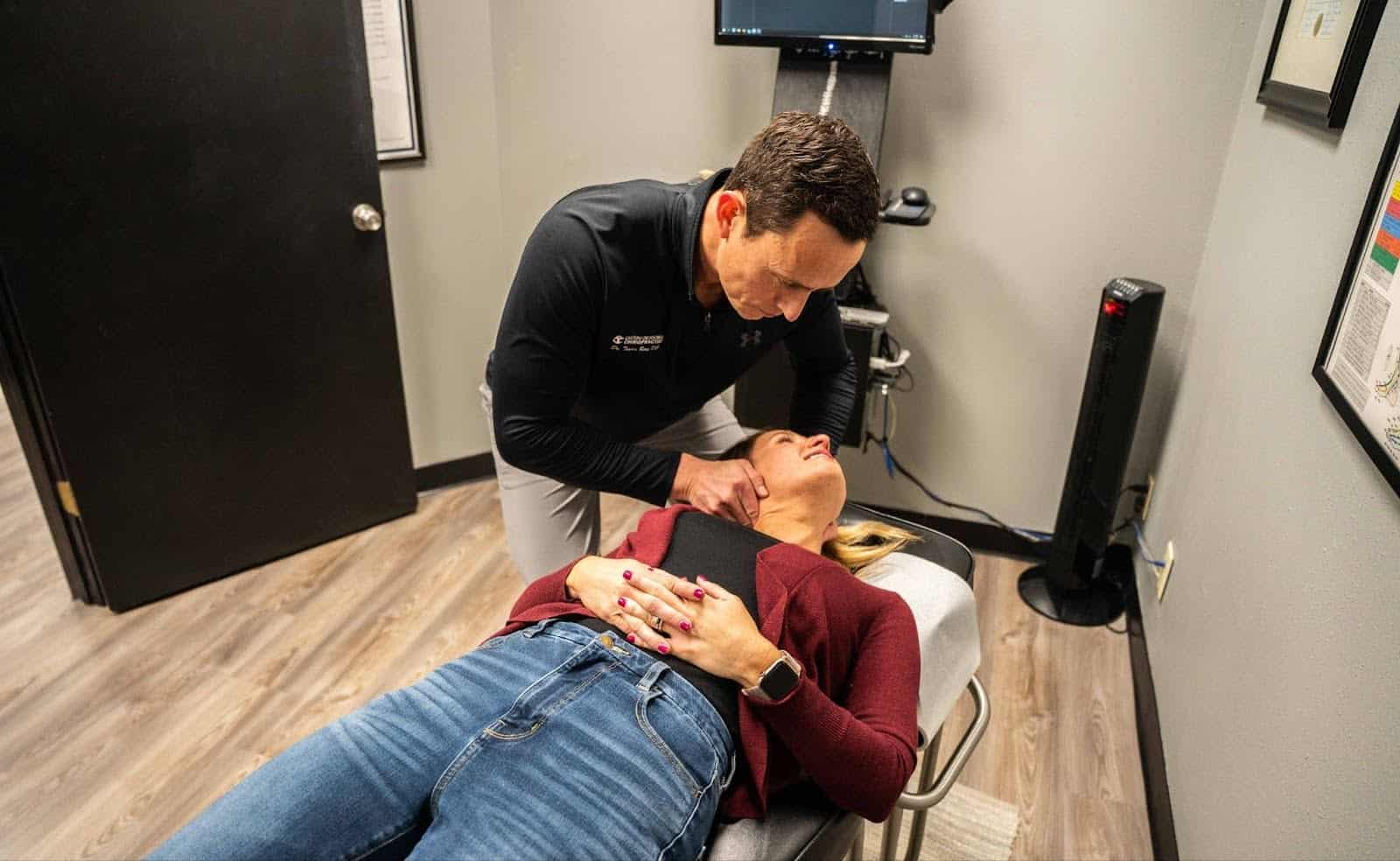
Chiropractic adjustments can help relieve neck stiffness. These treatments focus on the spine and joints. A chiropractor uses hands-on techniques to correct misalignments. This can reduce pain and improve movement.
Dr. Travis Ring, a chiropractor in Broken Arrow, Oklahoma, has over ten years of experience. He customizes care for each patient, especially for families and children. His goal is to promote musculoskeletal health through spinal adjustments that support long-term wellness.
At-home remedies like stretching and heat therapy can also ease discomfort… Next up are ways to prevent chronic neck stiffness.
Preventing Chronic Neck Stiffness
To prevent chronic neck stiffness, make small changes to your workspace. Keep your screen at eye level and take breaks to stretch and move around often.
Ergonomic adjustments and regular exercise
Adjust your workspace for better posture. Sit with your back straight and feet flat on the ground. Keep your screen at eye level to avoid straining your neck. Use a chair that supports your lower back well.
Small changes can make a big difference.
Get moving regularly to keep neck stiffness at bay. Simple exercises like stretching help improve flexibility and reduce muscle tension. Physical activity, even walking around the office, can promote blood flow and ease pain.
Make it part of your daily routine for long-term relief from discomfort.
Conclusion
Chronic neck stiffness can be challenging. We discussed the main causes, like poor posture and muscle strain. Simple treatments are effective too, such as stretching or using heat therapy.
It’s also essential to prevent stiffness by adjusting your workspace and staying active. Consider how you can use these tips in your daily life; small changes can lead to significant pain relief.
Taking care of your neck now can help keep it healthy in the future! If you have more questions or need help, think about contacting a professional for guidance on your path to wellness.