

22 Dec Managing Stress For A Healthier Spine
Many people feel back pain after a long day. Stress often makes this pain worse. You may notice tight muscles, poor posture, and even trouble sleeping from stress. These problems can add up and hurt your spine.
Studies show that tension from stress can affect your spine’s health each day. This means your back pain and worry may be linked more than you think. In this post, you’ll learn how “Stress Management For Back Pain” is not just helpful but needed for better health.
Simple ideas like exercise, mindfulness, and breathing can give real relief. Find out what steps will help your back feel stronger. Keep reading to start feeling better today!
The Connection Between Stress and Spine Health
Stress tightens muscles in your neck, shoulders, and back. Anxiety can cause tension that pulls at the spine. Over time, stress may lead to poor posture or muscle strain. You might find yourself slouching or sitting stiffly for long hours.
This can hurt spinal health and even slow pain relief.
Chiropractic care helps with more than just pain; it also supports your overall well-being. Relaxation methods like mindfulness help calm both mind and body, and combining spinal care with hormone balance therapy can further support stress regulation, muscle relaxation, and overall spinal health.
Good ergonomics also lessens pressure on your back during daily tasks.
A relaxed mind strengthens the spine.
Techniques for Managing Stress to Support Spinal Health
Managing stress can greatly help your spine. Simple practices like mindfulness and regular exercise keep you relaxed and strong.
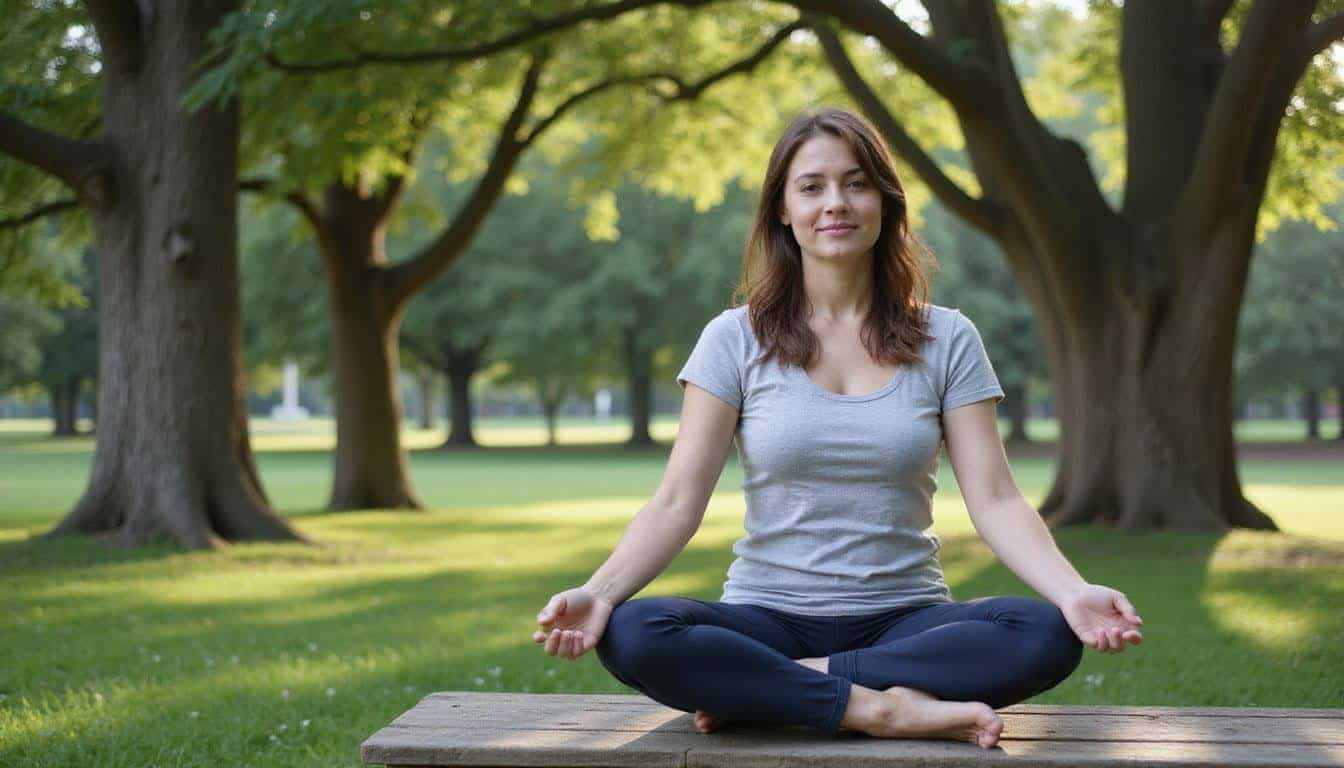
Mindfulness and Meditation Practices
Mindfulness and meditation practices are strong tools for stress reduction. They help keep the spine healthy by better managing stress.
- Sit in a quiet place every day to meditate. This helps clear your mind.
- Focus on the present moment. Do not think about past or future worries.
- Use guided meditation apps if you find it hard to focus.
- Practice deep breathing during meditation. It relaxes both your mind and body.
- Set a regular time for mindfulness exercises. Routine helps in reducing stress.
- Pay attention to your body’s signs of stress. Learn what makes you feel tense.
- Slowly count to ten when feeling overwhelmed. This simple trick can calm you down.
- Notice how your body feels during meditation. Check for any pain or discomfort.
- Reflect on the good things in life each day. Gratitude boosts mental health.
Next, we will explore how physical activity and stretching can further support spinal health.
Regular Physical Activity and Stretching
Regular physical activity and stretching are key to a healthy spine. Dr. Travis Ring knows this well, thanks to his active lifestyle of running and biking.
- Exercise boosts overall health. It makes your body strong and helps prevent back pain.
- Stretching keeps muscles flexible. This flexibility supports your spine and improves posture.
- Aerobic activity, like running or biking, increases heart rate. This kind of exercise can reduce stress, which often leads to spine problems.
- Regular movement during the day is important. It can be simple, like walking or taking breaks to stretch if you sit a lot at work.
- Doing exercises that strengthen the core also supports the spine. Strong core muscles take pressure off the back.
- Yoga combines physical movement with deep breathing. This can both strengthen and relax the body, helping with spinal health.
- Physical therapy exercises often focus on specific areas of pain or injury. These exercises can also improve spinal mobility.
- Playing sports adds fun to being active. Sports like tennis or basketball boost flexibility and strength, which benefits the spine.
- Injury prevention practices are part of regular physical activity. Knowing how to move correctly can help protect your back from injury.
Dr. Ring lives by these principles, enjoying an active lifestyle that keeps his own spine healthy while showing others how to do the same.
Breathing Exercises for Relaxation
Breathing exercises can be a great way to relax. They help reduce stress, which is good for your spine.
- Deep breathing helps calm the mind and body. Sit or lie down in a comfortable position. Breathe in slowly through your nose, letting your belly rise. Hold for a moment, then exhale slowly through your mouth. Repeat this 5 times.
- Mindfulness can improve relaxation during breathing exercises. Focus on your breath, feeling each inhale and exhale. Notice how your body feels as you breathe. This practice helps clear your mind and reduces tension.
- Diaphragmatic breathing can also enhance relaxation. Lie on your back with one hand on your chest and the other on your belly. Take deep breaths from your diaphragm so that only the hand on your stomach rises while the other stays still.
- Guided imagery works well with breath control. Close your eyes and picture a peaceful scene, such as a beach or a forest, as you breathe deeply. Let this image fill your mind as you slowly breathe in and out.
- Tension release using breath can ease tight muscles. Inhale deeply through your nose; as you exhale, imagine stress leaving your body like a balloon deflating.
- Breathing exercises can also promote emotional balance. Regular practice helps improve mood and lowers stress levels over time.
- Stress relief comes from making these exercises part of daily life; spend just 5-10 minutes each day focusing on these breathing techniques for lasting benefits.
Make these simple practices part of your routine to support spinal health effectively!
Lifestyle Changes to Promote a Healthier Spine
Good posture is key to spine health. Sit up straight while working or using your phone. Use ergonomic chairs and desks to support your back. This helps keep proper alignment throughout the day.
Stay active with regular physical activity. Simple exercises improve flexibility and strength. Focus on core stability to protect your spine from injury. Don’t forget about nutrition; eat a balanced diet to support overall health and healing, too!
Conclusion
Managing stress is essential to a healthy spine. Stress can cause tension, which leads to back pain. Techniques like mindfulness, exercise, and breathing exercises are straightforward ways to reduce stress.
These methods are easy to incorporate into your daily routine. Focusing on your spine health can enhance your overall well-being. Small changes can make a significant difference in how you feel every day,